Hot Streaks, Cold Math: The Truth About Betting Systems Nobody Wants to Hear
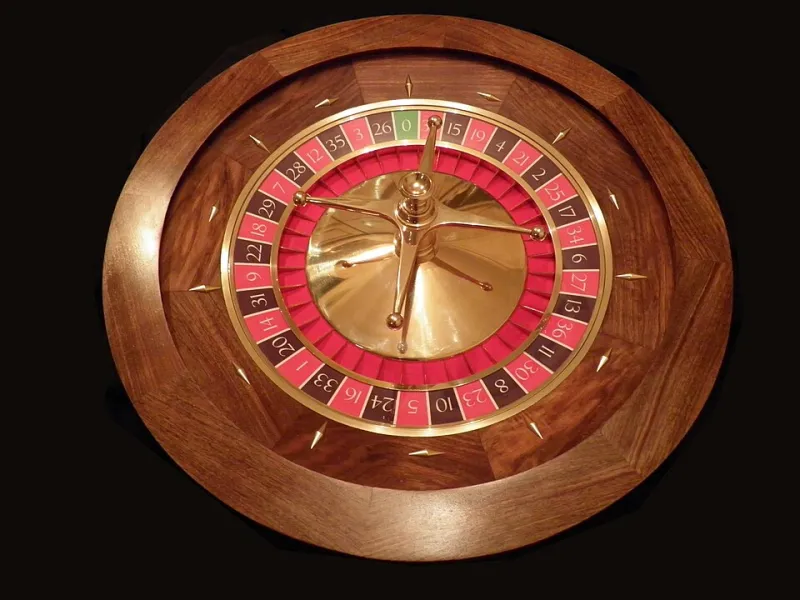
Photo: Oniff, CC BY-SA 4.0, via Wikimedia Commons
Somebody at the craps table swears by it. A guy in a Reddit thread made $400 with it last Tuesday. Your brother-in-law explained it to you at Thanksgiving, drawing the progression on a napkin between bites of pie.
Betting systems are the folk medicine of the casino world — passed around, believed fiercely, and almost never questioned. And after enough late nights watching players ride Martingale into a wall, we at ST666 figure it's time somebody said the quiet part loud.
The Seduction of the Napkin Math
Martingale is the granddaddy: bet $10, lose, bet $20, lose, bet $40, and so on until a win erases all your losses and leaves you up one base unit. On paper, it's airtight. In practice, it collides with two immovable objects: table limits and your own bankroll.
Run the streak out. Lose eight in a row at $10 a pop and your ninth bet costs $2,560 — all to win back a single tenner. Eight straight losses sounds rare until you realize that over a long session at an even-money game, it genuinely happens. And the table max? It's sitting there waiting to amputate your progression right when it matters.
Fibonacci, D'Alembert, Labouchere — they're all variations on the same napkin. They rearrange the size and timing of your bets, but they can't touch the one number that actually decides your fate.
The Number That Doesn't Negotiate
Here's the deal the house cut with the devil: the house edge applies to every single wager, no matter how cleverly you sequence them.
American roulette carries a 5.26% edge on nearly every bet. Blackjack with solid basic play runs under 1%. Whatever the number is, it doesn't care whether you bet flat, doubled, or in a Fibonacci spiral. Betting systems change the shape of your losses — many small wins punctuated by occasional gut-punches, in Martingale's case — but they never change the sum.
Think of it this way: you can't shuffle your way around gravity. Every bet is a fresh coin toss with a slightly unfair coin, and no sequence of past tosses bends the next one.
Why the Systems Feel Like They Work
We get the appeal, honestly. Martingale produces exactly the experience players want: lots of little wins, sessions that usually end up, and the feeling of having cracked the code.
The catch is that the occasional catastrophic loss quietly eats every small win you ever booked. The system doesn't fail often — it just fails big. That's the trade, and it's a worse trade than most players realize until they're staring at a table max with $3,000 already committed.
The Shift That Actually Helps
So if no system beats the house, what's a player to do? Flip the question. Stop asking "how do I beat this game?" and start asking "how do I get the most out of this game?"
That means a few unglamorous but powerful habits:
- Set a session budget before you log in — money that's already spent in your head, win or lose.
- Pick games with the lowest edge and play them well. Basic strategy blackjack beats any roulette progression ever invented.
- Use flat betting or small, planned variations so a cold streak bruises instead of bankrupts.
- Chase entertainment, not recovery. The worst bets in any session are the ones made to win back a previous bet.
- Walk on a hot streak. Nothing in a betting system accounts for the single best move in gambling: leaving while you're ahead.
Play the Long Game, Not the Napkin
Look — we're not here to ruin anyone's fun. If riding a progression makes your Tuesday night more exciting and you can afford the tail risk, that's your call. But call it what it is: entertainment with a spicy aftertaste, not a strategy.
The players who last at ST666 — the ones still showing up month after month with a bankroll intact and stories to tell — aren't the ones who cracked some secret sequence. They're the ones who picked good games, bet sizes they could live with, and treated every win like a bonus instead of a birthright.
The house edge is forever. Your discipline doesn't have to be optional. Choose the second one, and the devil's odds stop mattering quite so much.