Toking Without the Guilt: What Casino Workers Wish Every American Player Knew About Tipping
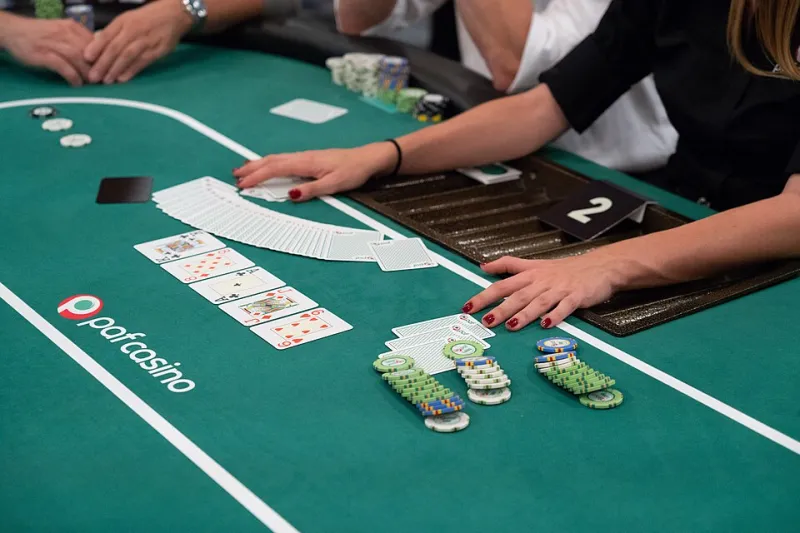
Photo: Paf - Games Sport Casino, CC BY 2.0, via Wikimedia Commons
There's a moment every casino player knows. You hit a nice payout at the table, the dealer slides the chips over, and suddenly your brain starts doing math it never agreed to. Do I tip? How much? Is that too much? Too little? At ST666, we've made peace with the devil's odds on the felt — but nobody hands you a cheat sheet for the other kind of numbers: gratuities.
So we did the legwork. We asked real casino workers — dealers, cocktail servers, and a valet or two from Nevada and New Jersey — what players get right and wrong about tipping. Their answers might change how you budget your next session.
The Unwritten Numbers at the Live Table
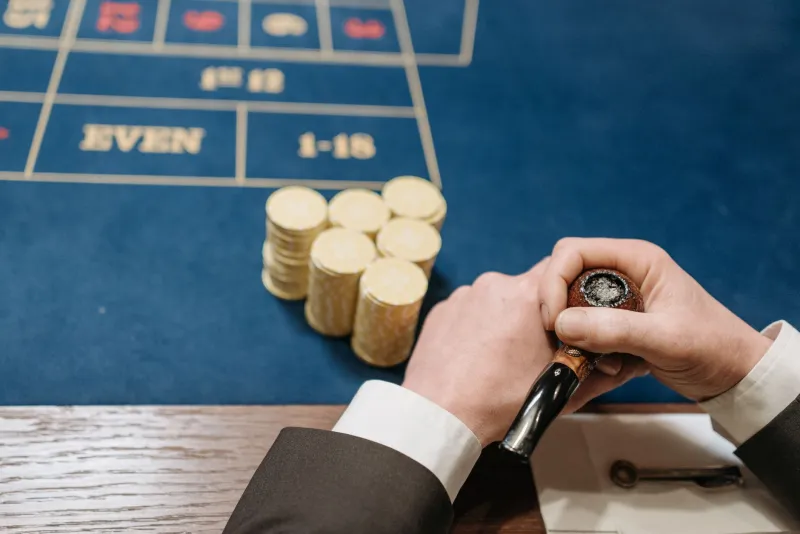
Ask five dealers what a "normal" tip looks like and you'll get five answers, but a pattern emerged. At a live blackjack or roulette table, most players who tip at all do it one of two ways: a chip tossed to the dealer after a win, or a standing bet — often called a "toke" or "money play" — placed on the dealer's behalf.
"A dollar chip here and there is fine," a Las Vegas craps dealer told us. "But when you make me a bet and it wins? That's the good stuff. Now I'm rooting for you too."
There's no mandated amount. A $1 chip after a decent win is standard on most floors. Regulars playing $25 tables often tip $5 or make a side bet every few shuffles. What matters more than size, according to nearly everyone we spoke with, is consistency and attitude. A friendly $1 beats a grudging $20 every time.
When a Toke Actually Improves Your Night
Let's be honest about the transaction. Tipping doesn't change the cards. The RNG doesn't know your cocktail server's name. But the experience? That's a different game.
A cocktail server we spoke with in Atlantic City put it plainly: "The players who tip even a buck on the first drink — I remember them. They see me again faster. That's just how it works."
Dealers echoed the same thing without overpromising. Tips don't buy better hands, but they do buy a better table atmosphere: more banter, more patience when you ask a rules question for the fifth time, a dealer who slows the game down when you're learning. If you're playing live dealer games from your couch, the dynamic shifts slightly — many online players tip through the interface after big wins, and dealers genuinely notice the usernames that do.
Budgeting Gratuities Into Your Bankroll
Here's where the strategy kicks in, and where we at ST666 think every player should steal a page from the pros. If tips are part of the casino experience — and they are — then they belong in your bankroll math, not stolen from it.
The approach our sources recommended most: set aside 5–10% of your session budget for gratuities before you sit down. Playing with $200? Treat $10–15 as your tipping fund, separate from your betting money. When it's gone, it's gone — no guilt, no mid-session panic when the cocktail round comes around.
A few practical rules of thumb from the floor:
- Drink service: $1–2 per drink, cash, up front if you can.
- Dealer tips: $1 chips after wins you're happy about, or one toke bet per shoe or session.
- Big wins: 1% or less is generous without being theatrical. A $500 win doesn't demand a $50 handshake.
- Valet and other staff: $2–5 depending on the service, same as anywhere else in America.
The Etiquette Nobody Teaches You
A couple of don'ts from the people who know. Don't tip in dribs and drabs and then expect the world — a single decent toke early in a session lands better than ten forgettable ones. Don't make your dealer bet on longshots with their tokes; most would rather have a near-even-money play than a lottery ticket. And never, ever make a tip conditional on a win. "Tips are for service, not for results," one pit boss told us. "The results are the house's department."
Luck Meets the Devil's Odds — Manners Meet the Rest
The house edge is fixed. Your tip isn't, and that's the one lever at the casino you fully control. Build it into your plan, spend it where it makes your night better, and walk out knowing the math worked in at least one place. That's not superstition — that's strategy with a handshake.