My Lucky Charm Owed Me Money: 30 Days of Logging Every Bet With and Without My Rituals
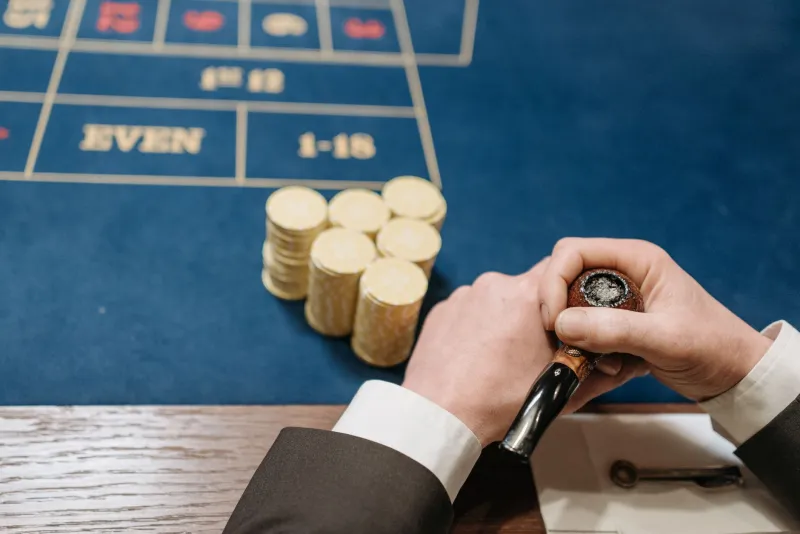
Every gambler's got one. The lucky shirt. The ritual tap on the machine. The specific seat at the blackjack table that just feels right.
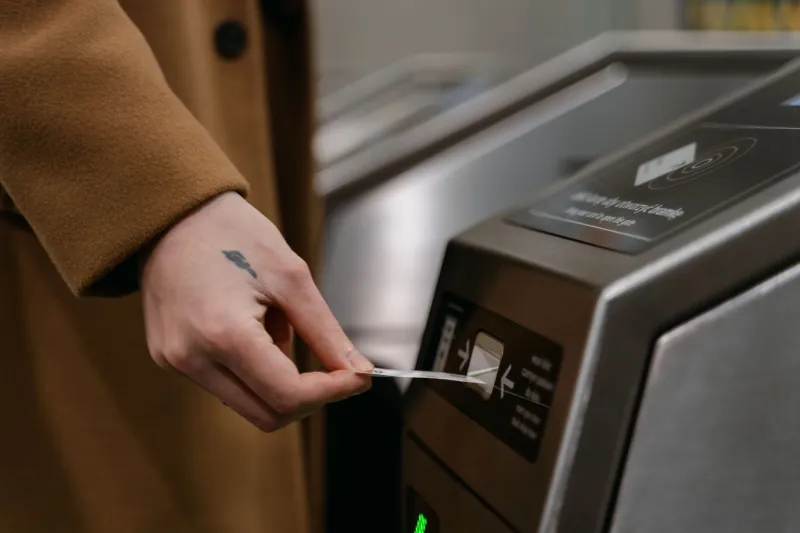
Mine is dumber than most: I tap the rail twice before every live dealer hand and I won't start a slot session without inserting my player's card in a very specific, very stupid way. It's worked exactly never. And yet there I was, doing it at 11 PM on a Tuesday like the devil himself was taking notes.
So this month, I decided to make the superstition pay its own way — in data. I logged every session, every bet, every loss. Half the time I followed my rituals like scripture. Half the time I deliberately skipped them. Same games, same buy-ins, same session lengths. Here's what a month of being my own lab rat taught me.
The Experiment Setup (Rigorously Unscientific)
The rules were simple. I split my play down the middle: 14 ritual sessions, 14 no-ritual sessions, alternating so I wouldn't get bored or biased toward one mode. Every session was live dealer blackjack or a mid-volatility slot, capped at 60 minutes, with a $100 buy-in.
I recorded four things after each session: total wagered, biggest single bet, time I actually quit, and net result.
That's it. No lab coats. No statistics degree. Just a notes app and an embarrassing amount of self-awareness.
Finding #1: Rituals Made Me Bet Bigger
This one surprised me. During ritual sessions, my average bet on live blackjack crept up to about $12.50 a hand. During no-ritual sessions? It hovered around $9.
Why? Because rituals, I realized, are confidence theater. When I'd done the double-tap and the card dance, I felt like the session was charmed — and charmed players press their bets. The ritual wasn't a good-luck charm. It was a permission slip.
Over 14 sessions, that difference added up to roughly $1,900 more total wagered. At a house edge of around 0.5% in blackjack, that's about $10 in expected loss per ritual week. Not catastrophic. But it's real money paid to feel lucky.
Finding #2: The Ritual Sessions Ran Longer — In a Bad Way
Here's the uglier number. When I was "cursed" — no rituals, just playing — I quit on time 11 out of 14 sessions. When I was "blessed," I only quit on time 7 times.
The pattern was always the same: ritual sessions that went bad felt wrong in a way that demanded fixing. Surely the charm couldn't fail. Surely the next hand would restore cosmic balance. So I'd extend the session, chase the loss, and blow past my hour.
Superstition didn't cause my losses. It caused me to sit through losses I should've walked away from. That's the actual tax — not the ritual itself, but the magical thinking it feeds.
Finding #3: The Bottom Line
Over the month, ritual sessions lost an average of $38 each. No-ritual sessions lost an average of $22. Same games, same house edge, same me. The difference was entirely behavioral: bigger bets, longer sessions, worse quitting discipline.
Call it a superstition tax of about $16 a session. Roughly $220 a month, if you're keeping score. I am now keeping score.
The Framework: Keep the Fun, Kill the Damage
I'm not about to tell you to abandon your lucky socks. Rituals are part of the joy of gambling — the theater, the routine, the little handshake with fortune. The goal isn't to strip the fun out. It's to audit it.
Step 1: Separate harmless rituals from behavioral ones. A lucky shirt changes nothing. A ritual that precedes pressing your bets changes everything. Write down what you actually do before you bet bigger or stay longer. That's your real list.
Step 2: Price your ritual. Track two weeks of sessions — with and without. Compare your average bet and your quitting time. If your charm costs you more than the entertainment value it provides, it's not lucky. It's expensive.
Step 3: Rebuild the ritual around discipline instead of luck. Mine now? I tap the rail twice and set my loss limit out loud before the first hand. Same theater, opposite effect. The ritual reminds me of the plan instead of promising me a miracle.
Step 4: Quit while the ritual is "working." This is the sneaky one. If your charm hits early, cash out while it's still a hero. Ending on a win does more for your bankroll — and your belief system — than any streak-chasing ever will.
What the Devil Taught Me
Here at ST666, we talk a lot about the deals the devil offers — and superstition might be his sneakiest. It doesn't take your money directly. It just makes you a slightly worse version of yourself at the table: a little looser with bet sizing, a little slower to stand up, a little more willing to believe the next hand owes you one.
My lucky charm owed me money, it turns out. About $220 a month. I've kept the double-tap — it's part of who I am at the table now — but I've rebranded it. It's not a luck ritual anymore.
It's a reminder that the only thing I actually control is how I bet and when I quit. The devil can keep the rest.