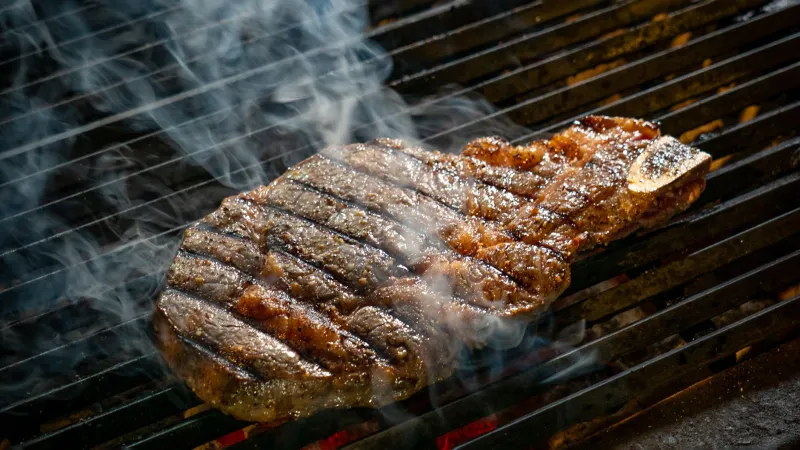
That 'Free' Steak Runs About $42 an Hour: We Did the Ugly Math on Chasing a Vegas Buffet Comp
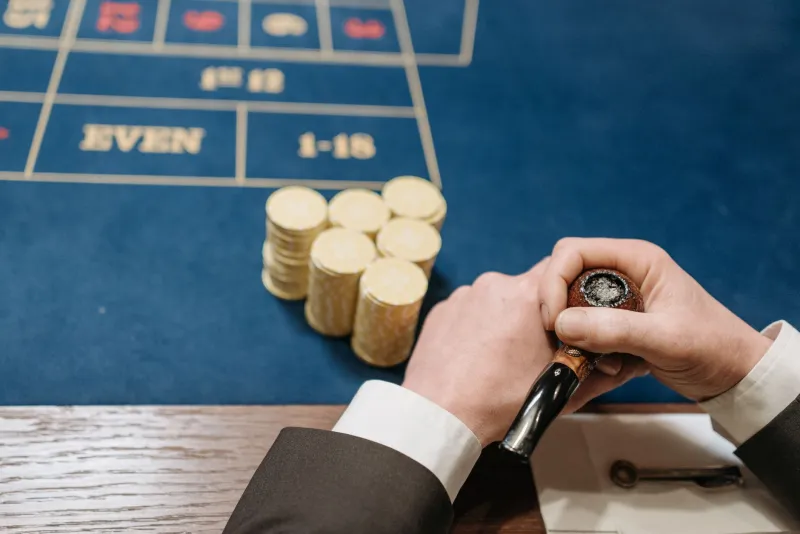
Somewhere between the second free drink and the third hour at a $15 blackjack table, a voice in your head whispers: you've basically paid for the buffet already.
The devil is in that whisper. Because the buffet isn't free — it was never free. It's the cheapest marketing the house has ever bought, and the price tag is sitting right there in your expected loss. Today, we're running the numbers nobody runs until the steak is already eaten.
The Raw Math of a Comped Meal
Casinos don't hand out comps out of generosity. They hand them out based on a formula so simple it's almost insulting: your average bet, times hours played, times hands per hour, times the house edge, times a comp rate (usually 10–40% of that theoretical loss).
Run a realistic scenario. You're playing a $15 minimum blackjack table with decent rules — call it a 0.7% house edge — at a leisurely 60 hands an hour.
- Theoretical loss per hour: $15 × 60 × 0.007 = $6.30/hour
- At a 25% comp rate, you're earning about $1.58 per hour toward comps
A $30 dinner credit, then, takes roughly 19 hours of table time to 'earn' at that pace. Nineteen hours. That's a Vegas long weekend spent almost entirely at the felt, all for a steak with a menu price of thirty bucks.
And here's the kicker: theoretical loss is what the house expects. Your actual loss can be far worse. The buffet doesn't care about your luck — the formula doesn't have a column for it.
When the Tail Wags the Bankroll Dog
The real danger isn't the math itself. It's the behavior the math encourages.
We've all seen it — maybe been it: the player who sits down at 4 PM because the comp runs through the dinner window, then keeps playing past 9 PM because they're 'one level away' from the next tier. They came for a $30 meal and stayed for a $300 session. The buffet didn't trap them. The chase did.
Casino marketers have a name for this in the trade: the comped player plays longer than the paying player. That's the entire point. A free plate of prime rib is the cheapest retention tool ever invented — it costs the house $12 in food cost and routinely buys three extra hours of action at a game with a built-in edge.
How to Flip the Deal
None of this means you should refuse comps. It means you should collect them like a professional collects a rebate — passively, never as a goal. A few ground rules:
1. Get rated before you play, not after. Hand your card to the dealer or ask the pit to rate you when you sit down. Unrated play earns exactly nothing, and 'I was here for hours' is not a comp argument the pit boss can honor.
2. Play your normal game, on your normal budget. If your entertainment budget for the night is $150, a buffet shouldn't inflate it to $300. The comp is a discount on money you were already prepared to risk — not a reason to risk more.
3. Time-box the earn. Decide in advance: 'I'll play two hours, check my comp balance, and eat whether or not it's covered.' The buffet should be a rounding error on your trip, not the trip's organizing principle.
4. Favor the games that comp generously. Slots and video poker often comp at much higher effective rates than tables because the hold is bigger. If you're going to play anyway, playing where the comp rate is richest gets you more steak per dollar of expected loss.
5. Do the mental conversion. Before chasing any comp, divide its value by your hourly theoretical loss. If 'earning' it takes longer than you'd happily play for free, walk. The devil's favorite trick is making a bad session feel like a good deal because dessert was included.
The Honest Price Tag
So what does that steak actually cost? At $15 blackjack, roughly $6.30 of expected loss per hour — call it $42 for a seven-hour earn, plus whatever variance does to you along the way. At a $25 table, you can cut that time significantly. At penny slots with a 10% edge, you'll hand over far more than the steak is worth before the comp lands.
The buffet math problem isn't that comps are bad. It's that they're priced in a currency most players never count: hours at the table, dollars of expected loss, and the slow erosion of discipline that comes from playing toward a reward instead of playing for fun.
Eat the steak. Just make sure you were going to play those hours anyway — and that the devil didn't talk you into a fourth hour for the crab legs.