Paying the Devil's Toll: We Priced Out America's Luckiest Gambling Rituals
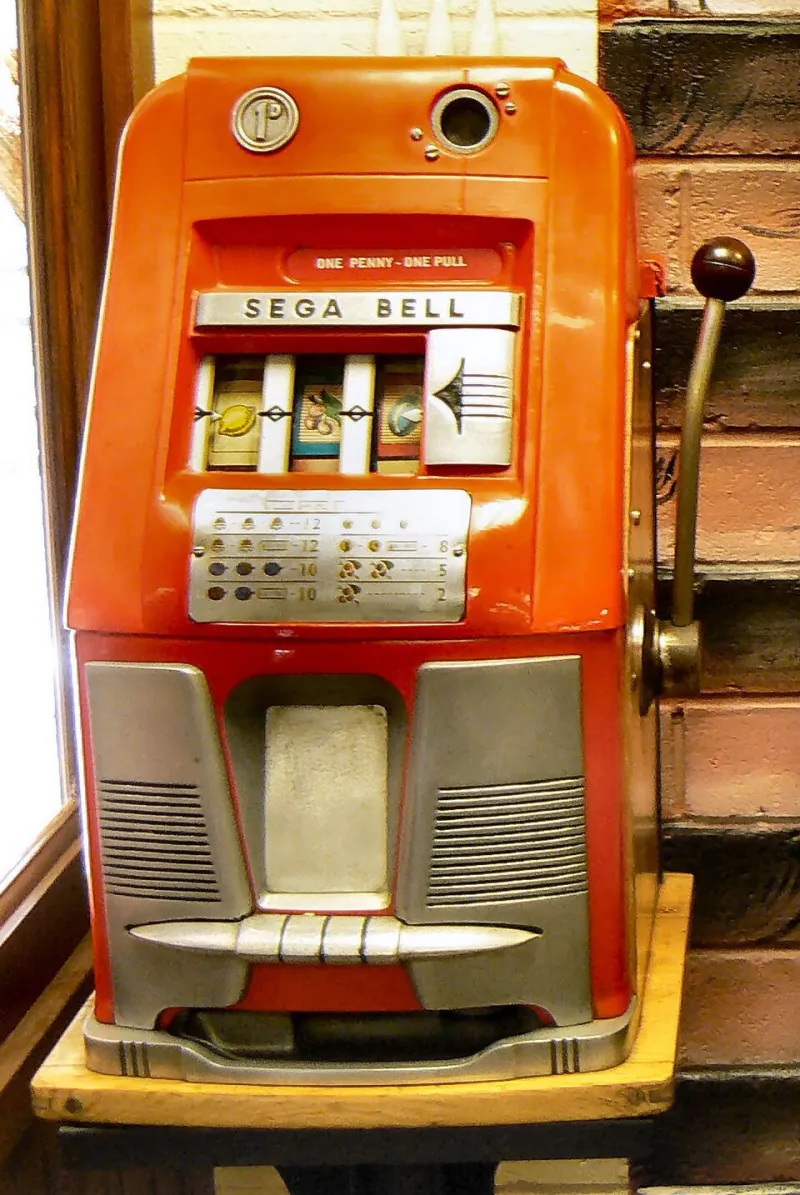
Photo: Ronald Saunders from Warrington, UK, CC BY-SA 4.0, via Wikimedia Commons
Every gambler has a ritual. Maybe you refuse to touch a slot machine someone just lost on. Maybe you always buy in with the same twenty-dollar bill. Maybe you've got a lucky shirt that has, statistically speaking, never done a single thing.
Here at ST666, we don't judge. The devil loves a good ritual — he just wants you to know what it's costing you. So we did the math.
The Price Tag Nobody Posts
Superstition rarely shows up on a receipt. It hides inside small decisions that feel free but aren't. Let's itemize the most common ones we see on American casino floors and at online tables.
The Cold Machine Walk-Away. A player hits a losing streak on a penny slot and moves to the next machine — even though the RNG doesn't care. The cost isn't the machine itself; it's the transition. You feed the new machine a fresh buy-in, often $20, when you'd planned to play $20 total. Estimated cost: $10–20 per session for the roughly 40% of players who admit to machine-hopping after a loss.
The Delayed Session. You arrive at 7:04 and wait until 7:07 because 7:07 is your number. Fifteen minutes of vacation time, spent standing in a hallway or refreshing a lobby. If you value your time at even $20 an hour, that's $5 per session — and if you're a regular, that's $250 a year spent waiting for a clock.
Lucky Seat Loyalty. Blackjack players are the worst offenders (we say this with love). The dealer is cold, so you switch tables. Or the third base seat is "hot," so you wait twenty minutes for it to open. That's 20 minutes of no hands played. At a $10 table running 70 hands an hour with a 0.5% house edge, the expected cost of playing was 7 cents. The cost of not playing is your time — and the entertainment you drove 45 minutes for.
When the Toll Actually Buys Something
Here's where it gets interesting. Not every ritual is a pure loss.
The delayed session has a hidden benefit: it forces a pause. Players who take structured breaks lose less over a night — not because the clock is lucky, but because pausing breaks the autopilot that drains bankrolls. If your 6:66 superstition gets you to breathe, stretch, and reconsider your buy-in, it might genuinely save you $30 on a bad night. The devil's toll, refunded.
Same with the cold-machine walk. Logically, it's nonsense — every spin is independent, full stop. But the behavior it produces (standing up, resetting, choosing deliberately instead of tilting) is exactly what disciplined players should do anyway. You're paying a superstition tax for a discipline rebate.
The Rituals That Cost the Most
Our informal tally across a few hundred sessions:
- Chasing a "due" machine: highest cost, no offsetting benefit. A player who pumps $100 into a machine because it "has to hit" is paying the full toll with nothing in return.
- Lucky charm maintenance: cheap. A $4 rabbit's foot amortized over a decade is basically free entertainment.
- Refusing to cash out during a "hot streak": catastrophic. This one isn't a tax; it's the devil collecting your winnings entirely.
The Verdict
Tally it up and the average superstitious American gambler pays somewhere between $15 and $40 per casino trip in rituals — in extra buy-ins, wasted time, and avoided play. Over a year of weekly visits, that's up to $2,000.
But the ritual isn't going anywhere, and honestly, we don't want it to. Gambling is entertainment, and rituals are part of the show. The line we'd draw at ST666 is simple: pay the toll when it buys you structure — breaks, deliberate buy-ins, walk-aways. Refuse to pay it when it tells you a machine is due.
The devil doesn't mind being paid in quarter superstitions. He just wants you to know you're paying — and to enjoy the show while you do.