Fifty Feet From Freedom: The Parking Lot Walk That Wrecks More Bankrolls Than Any Bad Bet
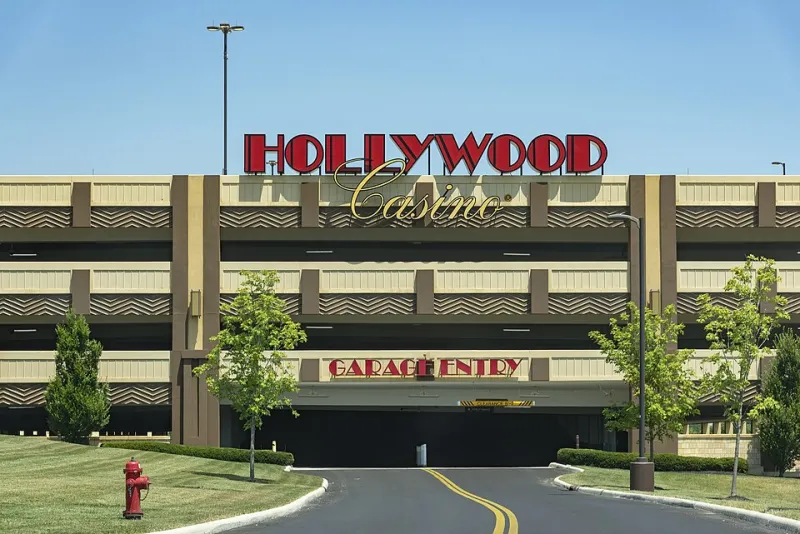
Photo: Sixflashphoto, CC BY-SA 4.0, via Wikimedia Commons
Here's a number nobody tracks: the percentage of casino losses that happen after a player has already decided to leave. The chips are racked, the ticket is printed, the exit is in sight. And then — somewhere between the cage and the parking garage — something whispers one more.
At ST666, we spend a lot of ink on what happens at the tables. But after years of watching players (and being players), we've come to believe the most expensive real estate in American gambling isn't a craps layout or a high-limit slot room. It's the walk to your car.
The Fifty-Foot gauntlet
Ask anyone who's worked casino security in Vegas, Reno, or Atlantic City and they'll tell you the same thing: the floor is full of people leaving. The doors are full of people coming back.
"You can spot them," a veteran surveillance guy we'll call Marty told us over coffee. "They're walking out with that ticket in their hand, and they keep looking at it. Winners fold it up. Losers hold it flat and read it over and over. Those are the ones who turn around."
Marty estimates he's watched the same scene play out thousands of times: a player walks out down a few hundred, pauses at the door, checks their phone, checks the time, and pivots back toward the ATM. Ten minutes later they're back at the same machine that just beat them, feeding it the rent money.
The walk is dangerous for one simple reason: it's the only part of the casino visit where you're alone with the math. At the table, you're distracted — the dealer, the drinks, the action. On the sidewalk, there's nothing between you and the number on that ticket.
Why your brain turns on you at the door
Psychologists call it the "sunk cost spiral," but regulars have better names for it. Chasing. Getting right. Winning it back.
Here's what's actually happening: a loss registers as an incomplete transaction in your head. Your brain hates loose ends, and a losing session feels like one. The parking lot is where that itch peaks — you're far enough from the table to think clearly, but close enough that going back costs nothing.
Casinos understand this geometry better than anyone. Notice where the exit routes run? Past the ATMs. Past the high-limit room with its soft lighting. Past one last bank of penny slots flashing near-miss bonus rounds. That fifty feet isn't accidental. It's designed.
And unlike the table games, where the house edge is fixed and published, the parking lot has no posted odds. You're betting against yourself, and the vig is whatever your willpower is worth that night.
Three exits, one decision
We broke the walk down with a handful of longtime players — the kind who've been playing the same video poker machines at the same locals' casinos in Vegas for twenty years. Every one of them described the same fork in the road, with three possible exits:
Exit one: The clean walk. Ticket in pocket, straight to the car, done. This is the exit everyone plans and few take.
Exit two: The pause. You slow down. You check the ticket. You do the mental math on what a comeback would take. This is where the session is truly decided — not at the table.
Exit three: The return. ATM, re-entry, and the dreaded second session, played with tired money and a desperate plan.
The regulars we talked to had all lived Exit three enough times to build defenses against it. Their tricks aren't complicated. They're just deliberate.
Build an exit ritual before you need one
The single best piece of advice we heard: decide the terms of your exit before you walk in, and make the ritual physical, not mental. Willpower is a terrible bouncer. Routines are a great one.
The locked ticket. One player we know photographs her withdrawal slip, then texts the photo to her sister with the caption "leaving now." The mild social accountability of it, she says, "makes turning around feel like announcing it."
The parking trick. Park far. Not for the steps — for the distance. A ten-minute walk gives the losing itch time to fade. Several regulars swear by parking across the street or off-site entirely. You can't pivot back into a casino from two blocks away without really committing to it.
The wallet empty-out. Before you enter, take out only your session bankroll and lock the rest in the trunk or leave it home. If there's no cash and you've left the debit card in the glove box, the ATM run becomes a hike. Every extra step is a chance for the spell to break.
The twenty-minute rule. If you absolutely must get back in the car with a loss burning a hole in your head, drive somewhere else first — food, gas, anywhere. Twenty minutes later, the urge to re-enter drops off a cliff. Urges are weather. They pass.
The devil you can't see
We like the number 666 around here for a reason — it's a reminder that the sneakiest temptations don't look like temptation. The devil at the blackjack table at least shows you his cards. The devil in the parking lot wears your own face and speaks in your own voice: you're due, it's early, one more and we're gone.
The house edge on every game in the building is a known quantity. The edge on that walk is whatever's left of your discipline after four hours of free drinks and bad beats. Don't gamble on it.
Win the walk, and the session is over — win or lose — on your terms. That's the only edge in the building that's actually yours.